Skip to content
Plan my trip

A six-day UNESCO heritage journey

Start with Mostar’s Old Bridge area, compare medieval tombstones around Stolac and Blidinje, then cross to Višegrad’s Ottoman bridge. Six days and five route nights give these subjects room, with a Mostar start and a Sarajevo finish. Vjetrenica Cave and Janj forest add different visits and extra days.

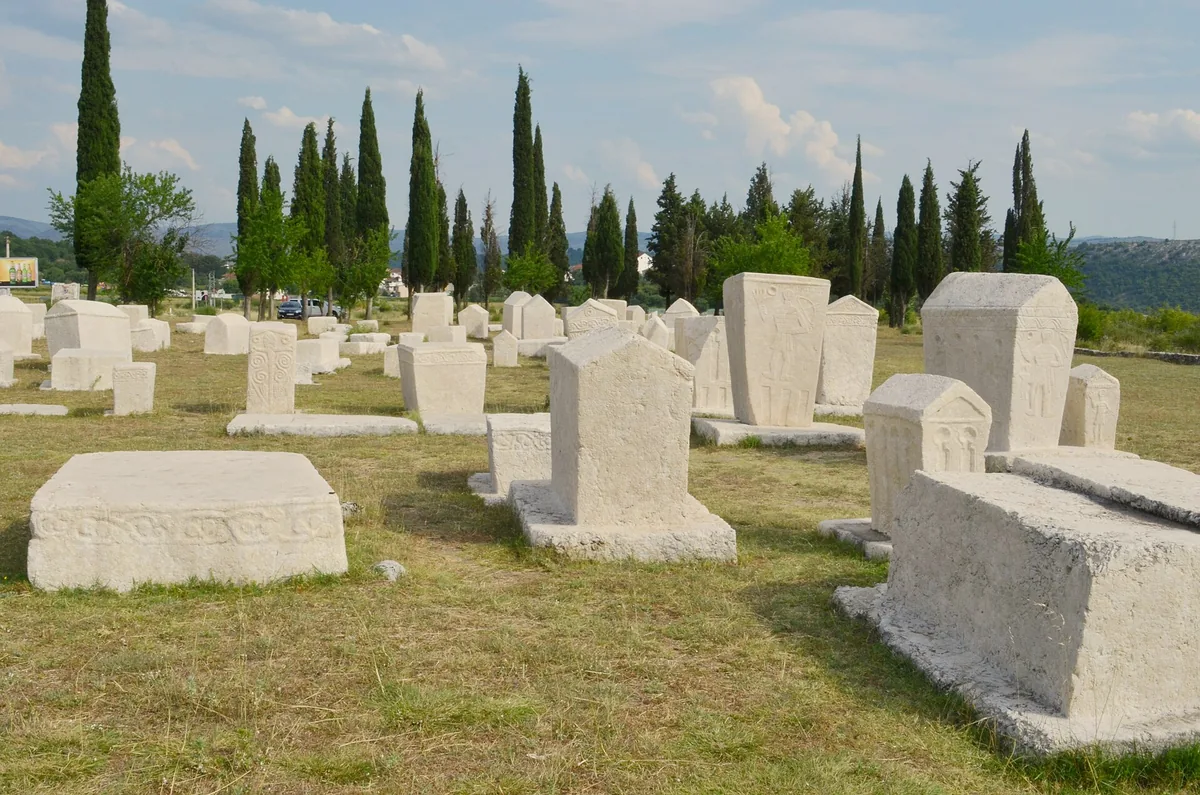
Stećci at the Radimlja necropolis near Stolac

Route at a glance

  1. Mostar
  2. Stolac
  3. Blidinje plateau
  4. Sarajevo
  5. Višegrad

The five nights and the two ends

The core sequence is Mostar → Stolac → Blidinje → Sarajevo → Višegrad → Sarajevo. Stay in Mostar after days one and two, near Blidinje after day three, in Sarajevo after day four and in Višegrad after day five. Day six returns to Sarajevo. Arrival and final departure nights sit outside those five route nights.

The core visits three cultural properties, with the stećci represented by three named burial grounds. UNESCO also lists Janj within the transnational beech-forest property and Vjetrenica at Ravno; both are nature-focused extensions to the core.

Days 1–2 – Mostar and the Stolac stones

Spend the first day in Mostar’s Old Bridge area and the surrounding old streets. Walk through Kujundžiluk’s bazaar streets; Biščević House offers an Ottoman-era domestic interior if that interests you. A night in Mostar gives the town a place in the journey beyond the bridge view.

On day two, Radimlja’s raised-arm figures and Boljuni’s inscriptions offer two distinct encounters with medieval carving. Both are inscribed components near Stolac. Keep some afternoon time for the Bregava through town, then return to Mostar for the second night. One burial ground and Stolac can replace the two-site visit when that makes a more thoughtful day.
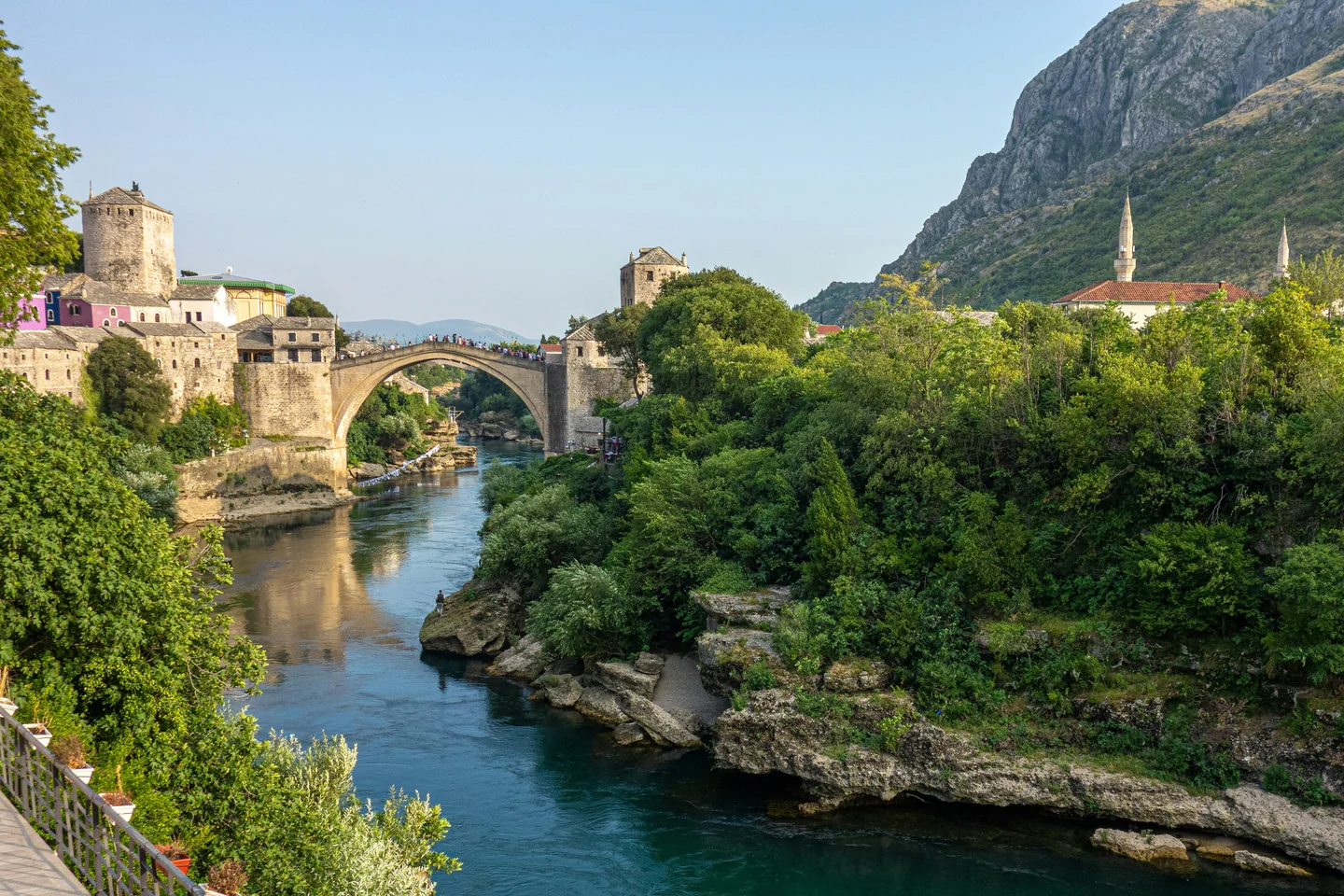
Mostar, Stari Most
Mostar, Stari Most Photo: Ilse

Days 3–4 – The plateau, then Sarajevo

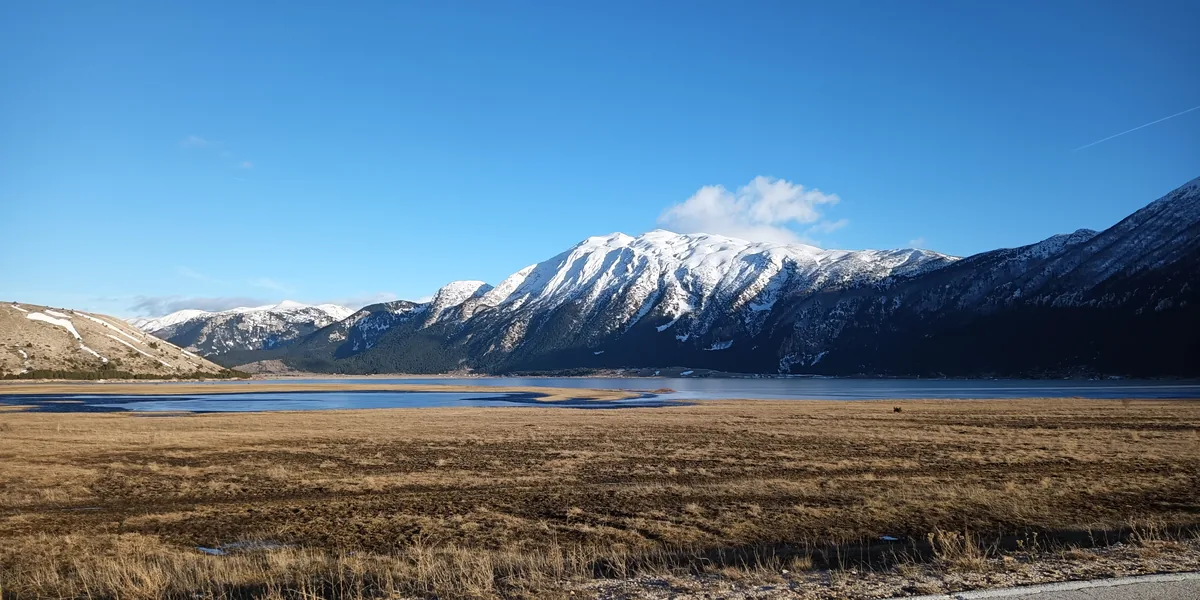
Day three takes you to Dugo polje at Blidinje. The carved stones sit below Vran, in a setting very different from the Stolac sites. Stay on the Blidinje side afterwards, with the actual property and its meal arrangements settled before the mountain journey.

Day four is the move to Sarajevo. Baščaršija gives the remaining city time a focus: Sebilj, copper-working Kazandžiluk and a meal around Bravadžiluk. This Sarajevo night separates the plateau journey from the eastern leg. A mountain hike belongs on another day.

Blidinje Lake and the surrounding mountains
Blidinje Lake and the surrounding mountains Photo: Hienstorfer

Days 5–6 – Višegrad and the return

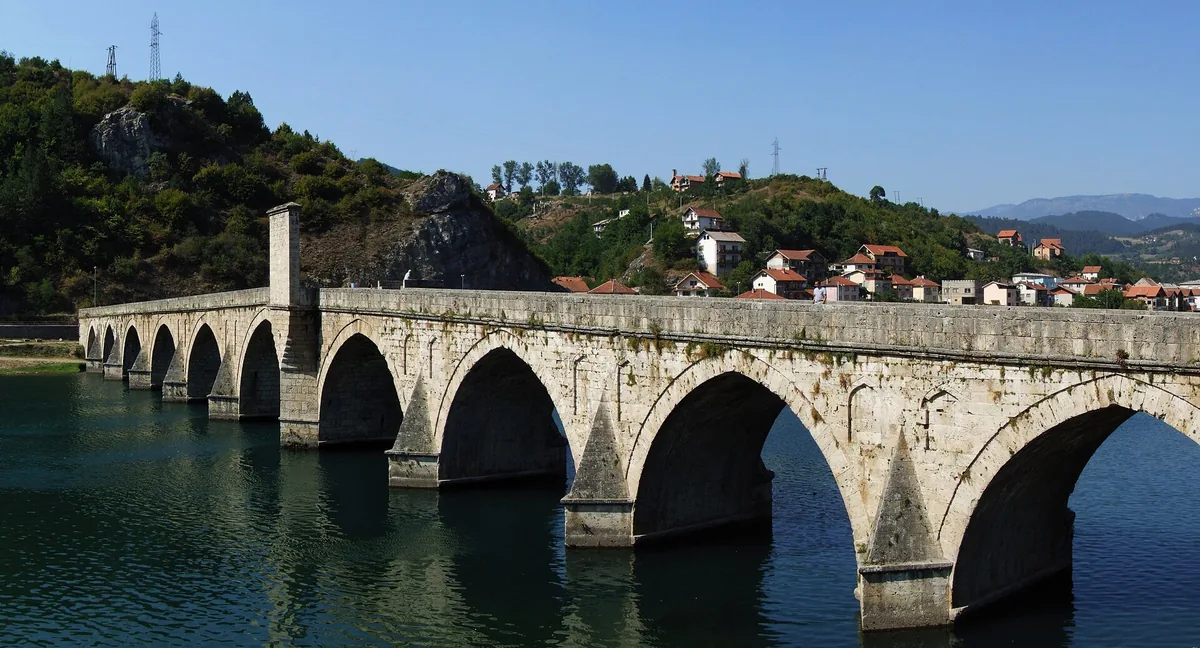
The Mehmed Paša Sokolović Bridge on the Drina is day five’s main subject. UNESCO identifies Mimar Koca Sinan as its architect. Spend the night in Višegrad so that the bridge and town receive more than a stop between two Sarajevo journeys.

The Ivo Andrić memorial classroom adds a later literary subject. The neighbouring Dom kulture manages visits; its visitor contact is useful if the classroom matters to your day. Day six returns to Sarajevo. Any onward destination changes that agreed finish.

A boat outing is another arrangement, with its own launch, river section and return. Višegrad’s bridge is in a different visitor area from Drina National Park around Srebrenica and Perućac Lake. Name the intended town and river stretch when discussing time on the water.

Mehmed Paša Sokolović Bridge across the Drina in Višegrad
Mehmed Paša Sokolović Bridge across the Drina in Višegrad Photo: Pudelek (Marcin Szala)

A southern extension for Vjetrenica

Insert a day after Stolac for Vjetrenica near Zavala, with an extra night around Ravno, Zavala or Mostar before continuing towards Blidinje. UNESCO inscribed the cave in 2024 for its exceptional underground biodiversity. A guided cave outing adds an underground environment to a journey otherwise centred on stonework and towns.

The operator publishes a guided visit of 40–60 minutes and asks for long trousers and walking boots. It advises against visits by children under four, people with claustrophobia and people with mobility difficulties. Use its seasonal entry information to discuss your group’s needs before arranging the journey; the chosen slot still needs agreement.

A north-western extension for Janj

Janj adds a branch through the Jajce and Šipovo area between Blidinje and Sarajevo. The forest manager requires prior approval and an accompanying guide or guard. Photography and recording also need prior consent. The manager’s visitor instructions govern the visit; inscription alone is not permission to walk into the reserve.

Put a Šipovo- or Jajce-area night with the agreed forest visit. Including both Janj and Vjetrenica adds at least two visiting days and two nights to the six-day core, with further travelling time where the slots and road legs require it. Keep the core if either nature visit cannot be arranged.

Turning the route into your trip

The three-day stećci trail gives more detail on the burial grounds. For a complete-trip enquiry, identify the five core overnight stays and any nature extension, together with the museums or interpretation you want. An interest in carving, architecture or forest ecology produces a different journey.

For countryside and mountain outings, landmines and unexploded ordnance remain a risk. Use an experienced local guide off-road, stay on marked trails and avoid shortcuts. Burial grounds and protected nature have their own visiting rules: leave objects in place and keep to the permitted areas.