
Skip to content
Plan my trip

Which UNESCO sites belong in your trip?

Bosnia and Herzegovina has five UNESCO World Heritage properties: two bridge subjects, medieval tombstone graveyards, Janj’s ancient beech forest and Vjetrenica Cave. Their locations and ways of visiting differ. A town stay, a burial-ground journey and a guided nature visit each ask for a different plan.

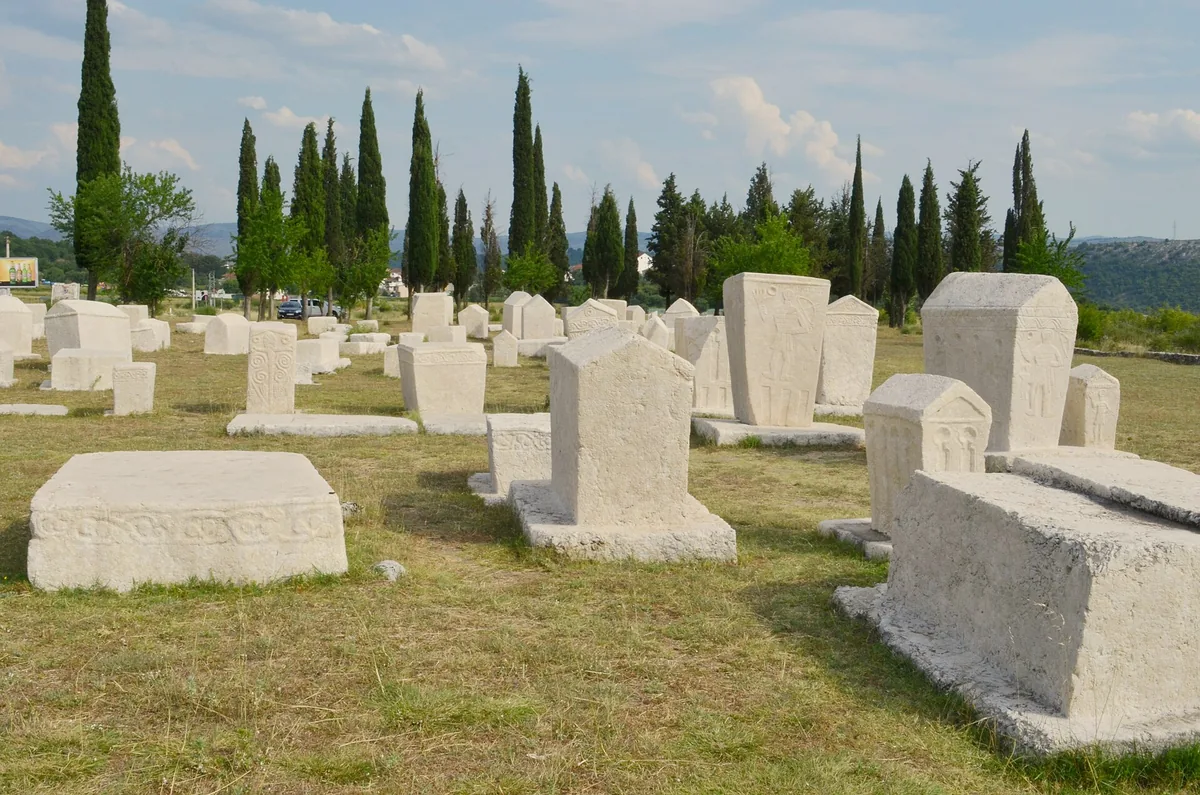
Stećci at the Radimlja necropolis near Stolac

Mostar – A bridge area within a town

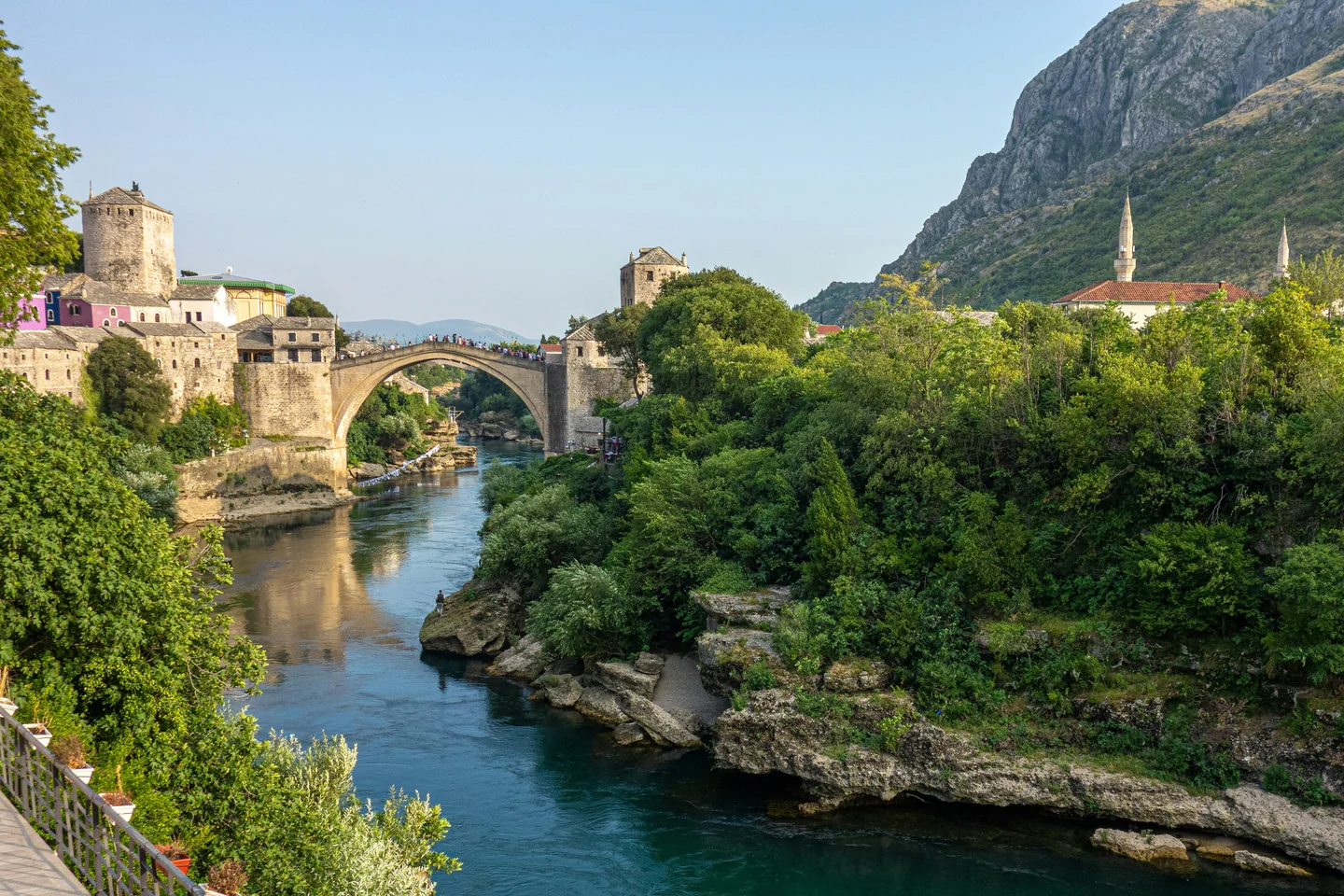
The inscription is the Old Bridge Area of the Old City of Mostar. Give the crossing and the surrounding streets time together, including Kujundžiluk’s bazaar. Mostar suits a stay focused on architecture, markets and the river.

Biščević House adds an Ottoman-era domestic interior. Blagaj’s tekija and Buna spring make a different outing on a second day. Blagaj is not part of the Old Bridge Area inscription; visit it for its own architectural and religious setting.

Mostar, Stari Most
Mostar, Stari Most Photo: Ilse

Višegrad – A bridge on an eastern journey

The Mehmed Paša Sokolović Bridge crosses the Drina in Višegrad. UNESCO identifies Mimar Koca Sinan as the architect of this late-sixteenth-century structure. It offers an Ottoman engineering subject in a river-town setting, on a separate eastern leg from Mostar.

The Ivo Andrić memorial classroom supplies later literary context; the neighbouring Dom kulture manages visits. A boat outing needs a different arrangement, including its launch and return. For either, name Višegrad explicitly: the bridge and Drina National Park’s Srebrenica/Perućac area are different places to plan around.
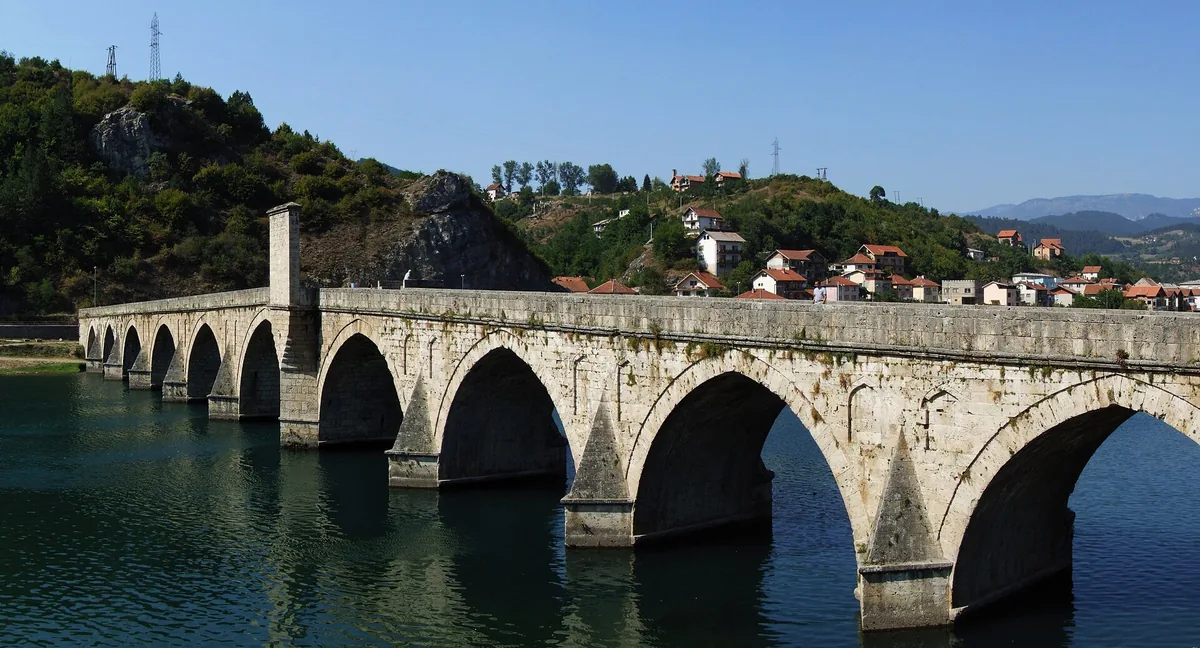
Mehmed Paša Sokolović Bridge across the Drina in Višegrad
Mehmed Paša Sokolović Bridge across the Drina in Višegrad Photo: Pudelek (Marcin Szala)

Stećci – Compare specific burial grounds

Stećci are medieval stone tombstones, with plain forms, carvings and sometimes inscriptions. The UNESCO property includes 28 sites across four countries. In Bosnia and Herzegovina, Radimlja, Boljuni and Dugo polje provide three distinct examples: raised-arm figures, named makers and inscriptions, then carved stones in Blidinje’s mountain setting.

The three-day stećci trail joins those places from Mostar. Inscription applies to the named burial grounds, not every part of Stolac or Blidinje. Ask the local visitor office about the approach and visitor arrangements for the burial ground you choose. Wear shoes with grip, keep to permitted routes and leave the stones undisturbed.

Vjetrenica – Underground biodiversity

Vjetrenica near Zavala, in the Ravno area, was inscribed in 2024 for exceptional cave biodiversity and endemic species. The guided visitor outing is a chance to encounter an underground environment; the operator publishes 40–60 minutes for the tour. Its full cave system is much larger than the visitor route.

The operator’s tariff page lists standard adult admission at 25 KM for foreign visitors and 18 KM for BiH citizens. Museum entry and private guiding are charged separately. The seasonal timetable sets the available entry times; reserve the visit you want before fixing the onward journey.

Long trousers and walking boots are part of the visitor instructions. The operator advises against the visit for children under four, people with claustrophobia and people with mobility difficulties, and prohibits pets. Discuss your circumstances directly: a guided cave visit makes different physical demands from viewing a bridge.

Janj – Forest under a permission system

Janj is Bosnia and Herzegovina’s component of the transnational ancient and primeval beech-forest property. It joined the inscription through the 2021 extension. This is a protected forest visit governed by conservation rules, rather than an open-ended woodland walk.

A Janj visit begins with written approval from the manager and accompaniment by a guide or guard. Photography and recording need separate consent. Its visitor instructions explain that process. Once the permitted visit is agreed, a stay in the Šipovo or Jajce area can give it space within the journey.

One area or a longer heritage journey?

For a short Herzegovina stay, use Mostar for the bridge area and the Stolac burial grounds. Vjetrenica extends the southern visit; compare a Trebinje or Čapljina-area base with the cave appointment and your onward route. The rural guesthouse guide gives another accommodation option to explore. Dugo polje adds a plateau overnight, while Višegrad and Janj require different regional journeys. The six-day cultural itinerary shows the overnight pattern and the extra days needed for nature extensions.

Transport and interpretation

If you are flying in, use the arrivals guide to compare the airport with your first overnight stop. For a trip without a car, start with intercity transport for the town-to-town journey, then confirm the final connection to the exact site.

A route visiting several regions makes car hire worth considering; prepare a car-hire request with the collection point, planned stops and return location. For a private ride, add the overnight bases and time needed at each site to a transfer outline. Prepare an experience request for guided interpretation; the cave’s own guiding and Janj’s permission system still belong with those sites.

On hot days, leave bridge and burial-ground walks for cooler hours and carry water. For winter trips, allow daylight for rural approaches. Ask locally about road conditions for Janj or Blidinje before fixing the drive; Vjetrenica’s entry timetable also changes with the season.