
Skip to content
Plan my trip

Ottoman heritage: markets, homes and a bridge

Sarajevo’s craft streets and house museums show trade and domestic life; Mostar adds a bazaar, bridge and another household interior. Počitelj and Travnik add fortified towns with medieval and Ottoman layers. Višegrad takes the story east to Ottoman engineering on the Drina. Each town deserves its own part of the journey.

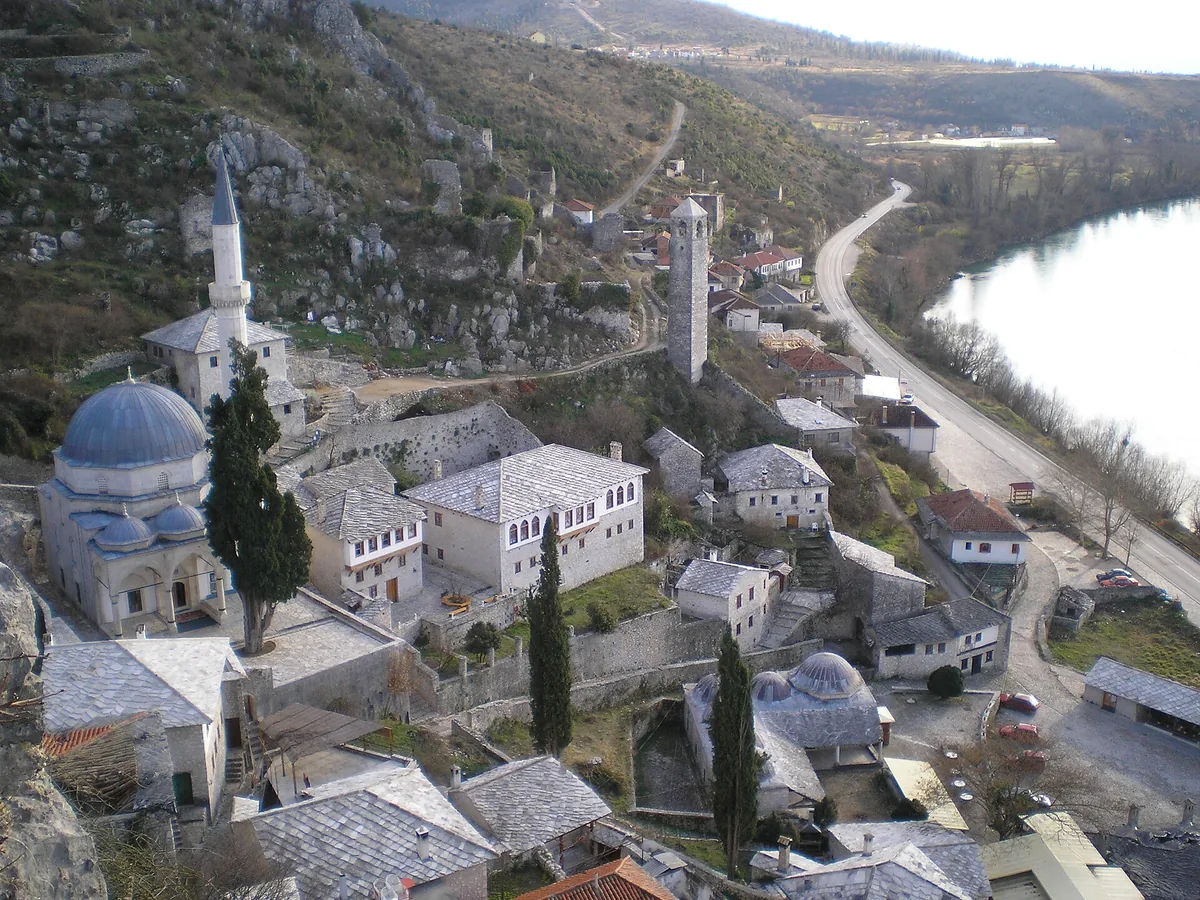
The stone settlement of Počitelj above the Neretva

Sarajevo – Crafts and the endowed city

In Baščaršija, start with the streets whose names preserve trades. Kazandžiluk carries the copper-working connection; Kujundžiluk the goldsmiths’ and jewellers’ one. Looking at those streets before the Gazi Husrev-beg complex helps connect commerce with the religious, educational and charitable institutions around it.

At the Gazi Husrev-beg complex, the museum in Kuršumlija Madrasa explains the endowment, while the mosque remains a place of worship. The courtyard visitor office handles questions about the interiors and visiting periods. That distinction helps you decide whether the day is about the institution’s history, the religious building or both.

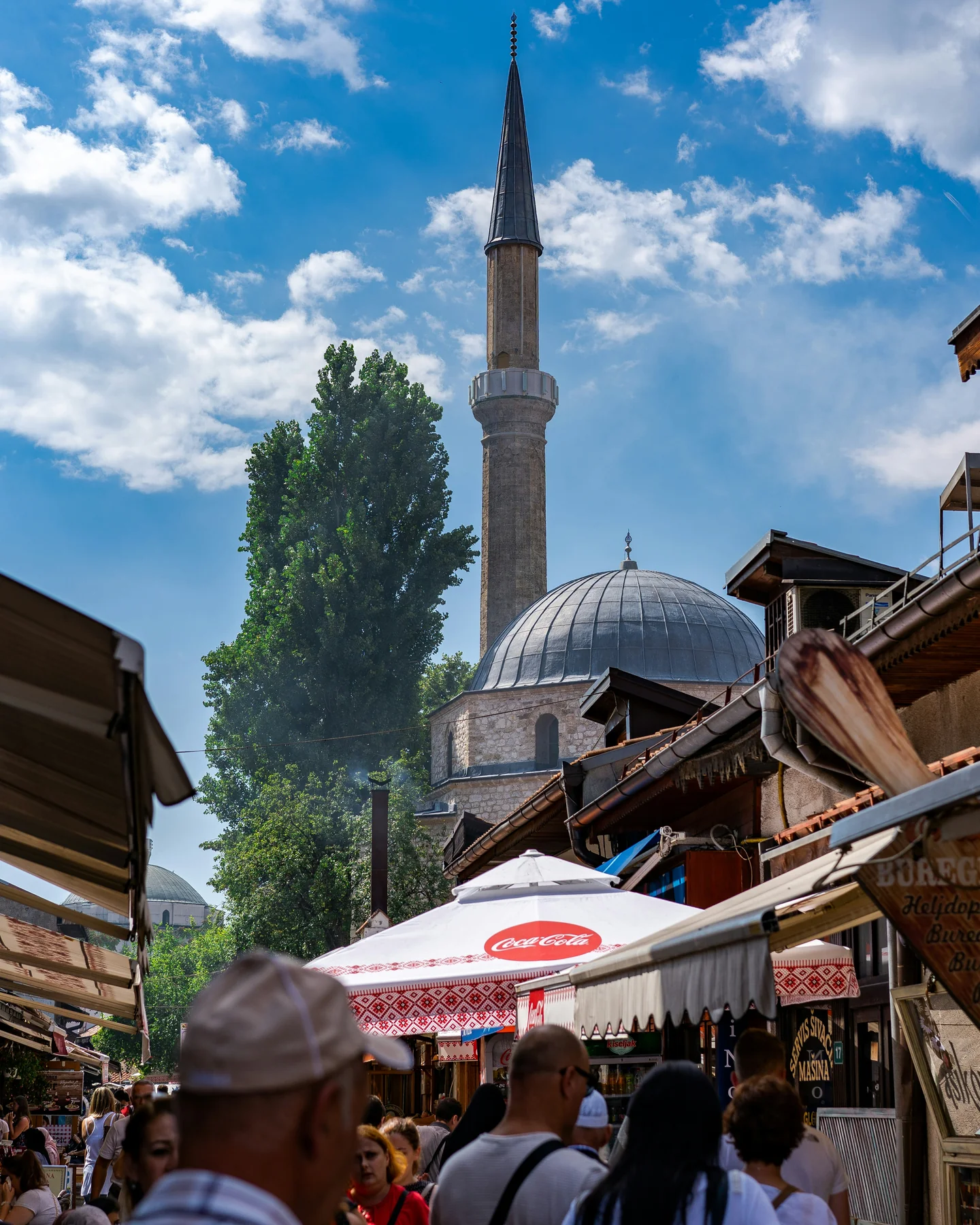
Sarajevo market
Sarajevo market Photo: Darcey Beau

Svrzo or Despić – Two household stories

Svrzina kuća, often called Svrzo’s House, at Glođina 8 presents the domestic life of a wealthy Bosniak Muslim family in the eighteenth and nineteenth centuries. Houses, courtyards and gardens make the organisation of home life the subject. This is the house to consider if the relationship between rooms and outdoor space interests you.

Despića kuća at Despićeva 2 tells another story: a wealthy Orthodox trading household, with a connection to early theatrical performances. The two museums are not interchangeable interiors. Give one enough time for its family context; use Museum Sarajevo’s visitor contact for the actual opening and interpretation you need.
Mostar – Bazaar streets and Biščević House

Walk Kujundžiluk, Mostar’s Old Bazaar, for its craft shops, then visit Biščević House to see an Ottoman-era home. The city tourism board describes its woodwork, rugs and courtyard. Together, the bazaar and house show how people traded and lived beyond the bridge itself.

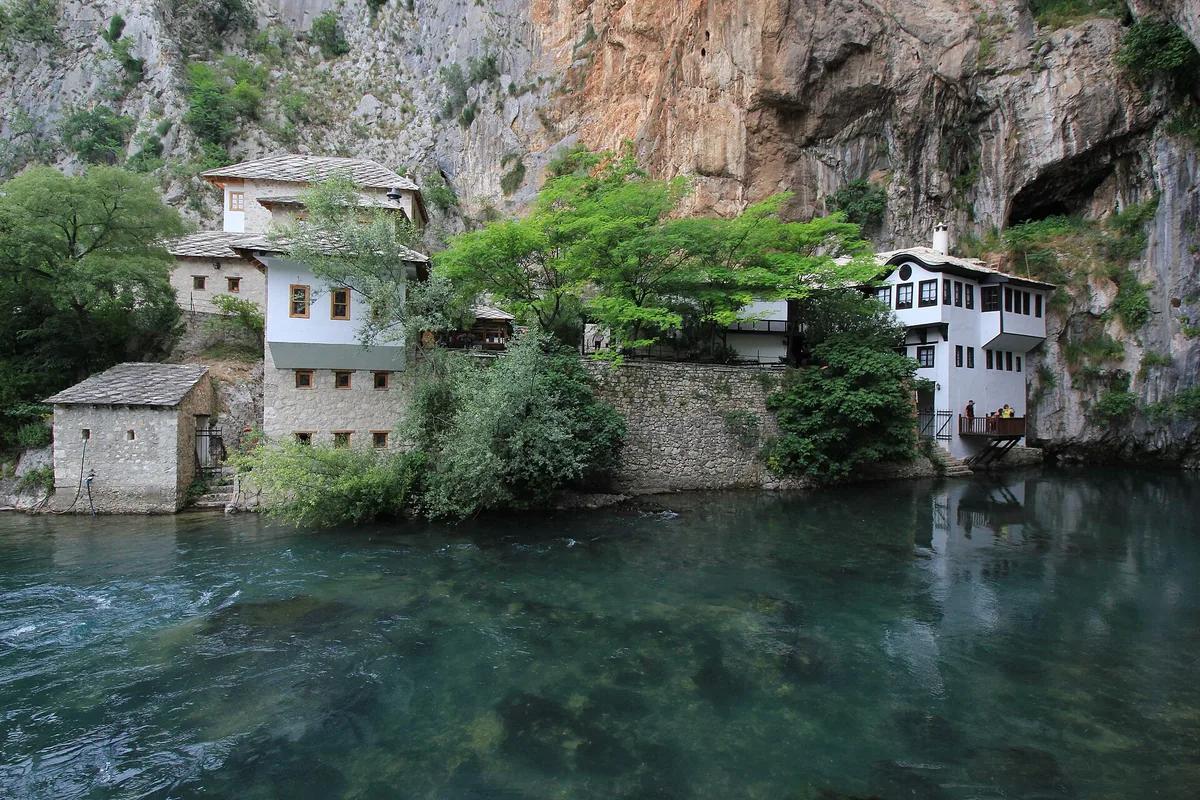
For a second day, Blagaj’s tekija stands beside the Buna spring, under the cliff. Its religious and residential architecture gives that outing a different focus from Mostar’s market streets. Keep the journey and interior visit separate from the first day’s walk through town.

The source of the Buna River and the tekke at Blagaj
The source of the Buna River and the tekke at Blagaj Photo: Julian Nyča

Višegrad – Engineering, then literary memory

The Mehmed Paša Sokolović Bridge over the Drina offers a different Ottoman subject. Mimar Koca Sinan designed the late-sixteenth-century crossing. This belongs to an eastern journey in Višegrad, with time for the bridge and town; it is not a nearby addition to a Mostar afternoon.

The Ivo Andrić memorial classroom adds later literary context to the bridge visit. It is managed by the neighbouring Dom kulture. A river excursion would be another arrangement again, with its own launch and section.

Počitelj and Travnik · fortified towns with later layers

South of Mostar, Počitelj’s stone-built settlement combines medieval fortifications with Ottoman public buildings. The mosque, madrasa and clock tower make the town itself the subject. It is on UNESCO’s Tentative List, which is separate from World Heritage inscription. Give it an outing of its own instead of attaching both Počitelj and Blagaj to the end of a Mostar walk.

Travnik’s Stari grad fortress carries medieval, Ottoman and Austro-Hungarian building phases. That makes it a useful place to look for changes in defence and settlement, with the town below supplying the wider setting. The Central Bosnia guide places Travnik in a separate regional day. The Coloured Mosque adds a religious-building subject in the town; a visit inside it needs a separate arrangement from the fortress.

Banja Luka · Ferhadija within the city

Ferhadija brings the Ottoman religious-building subject into a Banja Luka city stay. The regional tourism organisation places it among the central religious landmarks. It is a different regional choice from Sarajevo’s craft streets or Mostar’s domestic interiors, with any mosque interior visit fitted around worship and the local visitor arrangements.

A day with a clear subject

In Sarajevo, Baščaršija, the endowed complex and one house museum make a coherent day. In Mostar, the bazaar and a domestic interior belong together, with Blagaj or Počitelj on another outing. For a journey between regions, the heritage itinerary shows how Mostar and Višegrad fit with overnight stays.

The Sarajevo and Mostar stay guides help choose a base for those town visits. For an overnight in Travnik or Višegrad, prepare a stay outline with the next day’s visit in mind.

Construction, later alterations and present use all belong to the story. A public bridge, museum house and working mosque offer different encounters with it. Dress modestly at places of worship and follow local directions on shoes, photography and visiting around prayer. Wear shoes with grip for stone lanes. For a group with mobility needs, discuss the particular interior and entrance before committing to that visit.

On hot days, plan longer outdoor walks for the morning or late afternoon, with a break around midday. For winter visits, allow daylight for outdoor stops and check seasonal opening hours before travelling.