
Skip to content
Plan my trip

Sarajevo in one or two days

In one day, walk from Sebilj through Baščaršija’s copper-working and food streets to City Hall and Latin Bridge, then visit the nearby Sarajevo 1878–1918 Museum. With a second day, the War Childhood Museum brings personal stories into the trip, away from the river walk’s grand buildings.

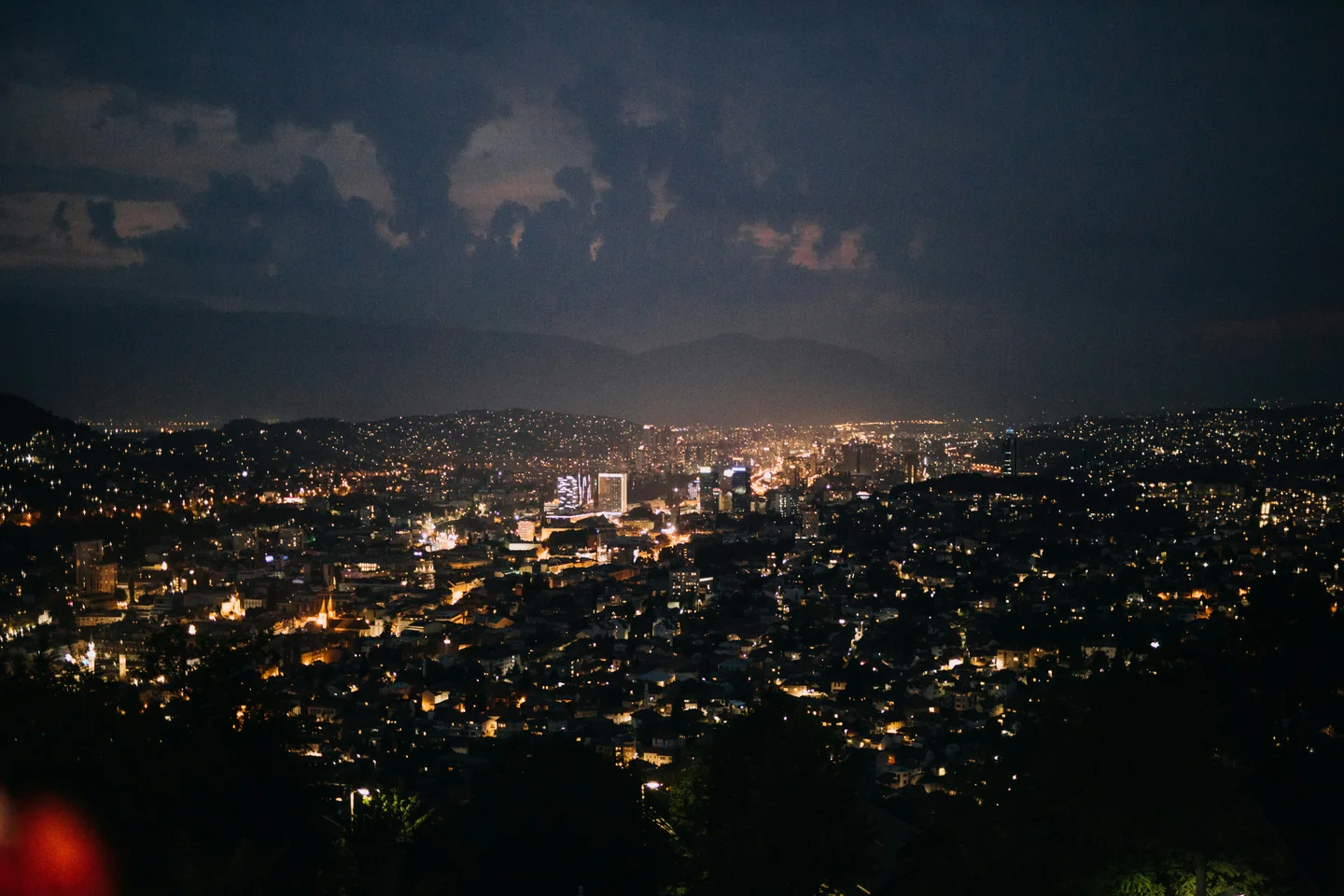
Sarajevo panorama
Sarajevo panorama

The first walk: bazaar streets to Latin Bridge

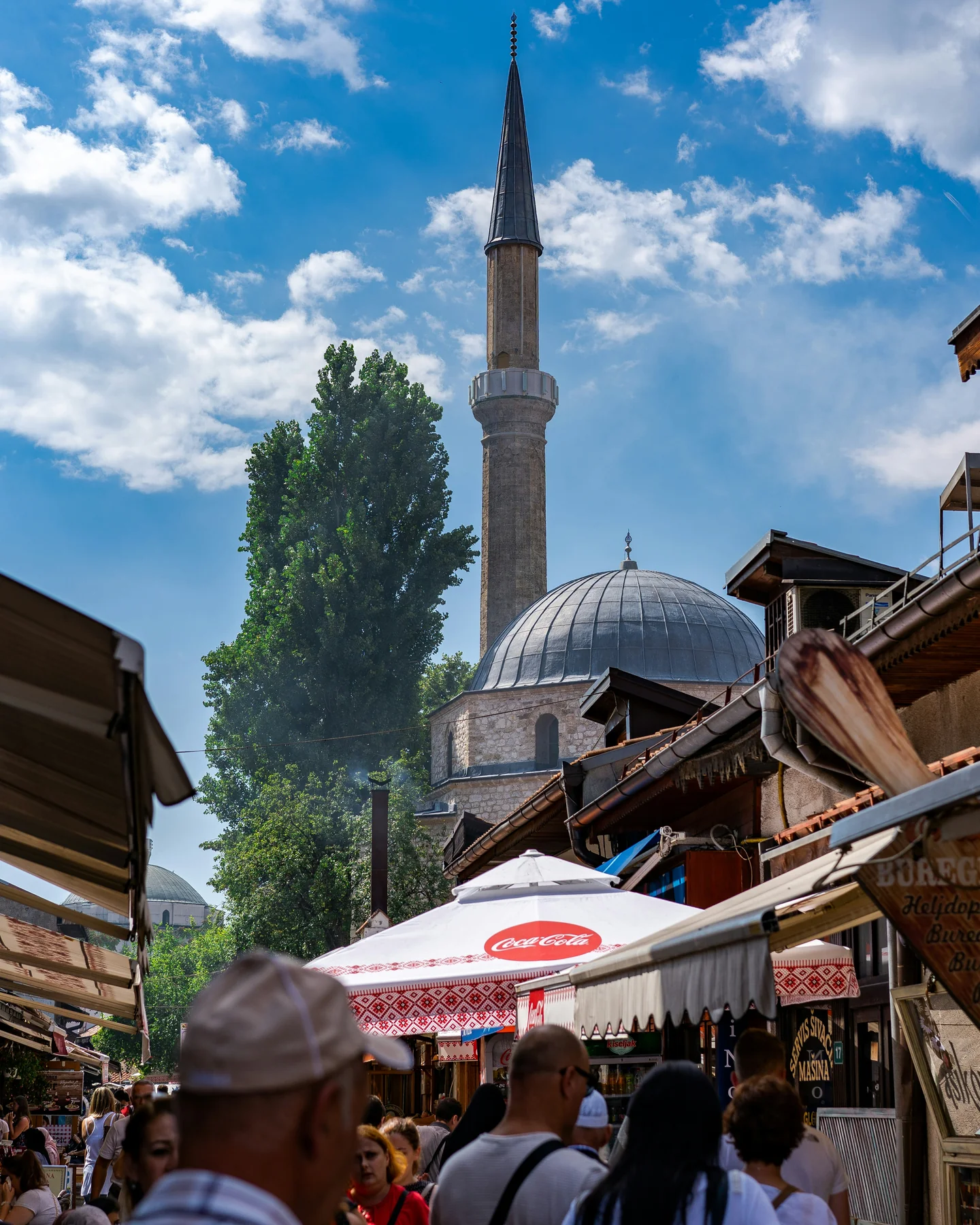
Begin around Sebilj, the fountain in Baščaršija. Kazandžiluk is the street for Sarajevo’s copper-working tradition; Bravadžiluk brings a food stop into the same part of the day. Spend some time with the shops and the street life before heading towards the river.

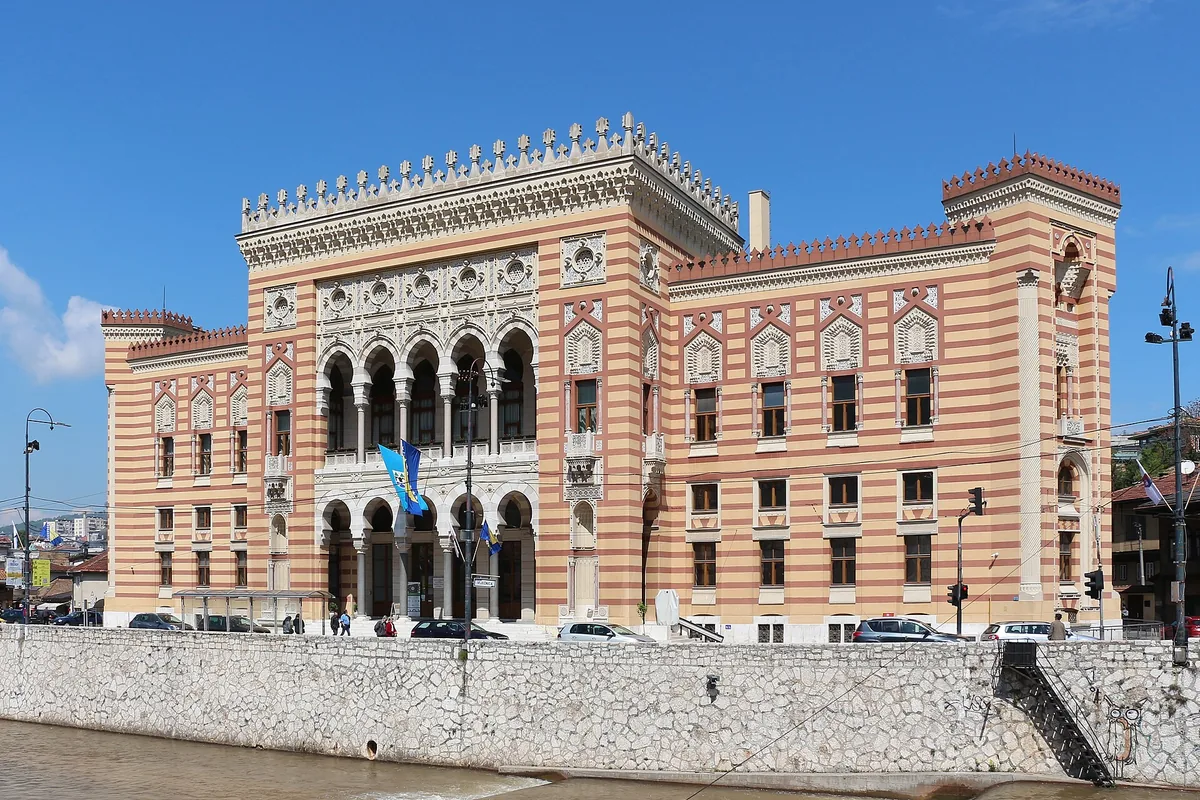
Vijećnica, Sarajevo’s City Hall, stands beside the old quarter. From its frontage, follow the Miljacka towards Latin Bridge for a change from narrow bazaar streets to the city’s river setting. An interior visit to Vijećnica is a separate choice, with its own admission arrangements.

Sarajevo market
Sarajevo market Photo: Darcey Beau
Sarajevo City Hall beside the Miljacka
Sarajevo City Hall beside the Miljacka Photo: Bernard Gagnon

For the history behind the river walk

The Sarajevo 1878–1918 Museum at Zelenih beretki 1 is a natural indoor stop near Latin Bridge. Its permanent exhibition covers Sarajevo under Austro-Hungarian administration. The building stands on the corner associated with the 1914 assassination of Franz Ferdinand and Sophie.

This visit suits an interest in how the city changed during that period. It fits naturally after the river walk, with the evening free for returning to the bazaar.

A second day: childhood stories from war

At the War Childhood Museum, Logavina 32, everyday objects carry personal accounts of childhood affected by war. It offers a different perspective from the first day’s architecture and Austro-Hungarian history. Give the visit a quiet part of the day and some room afterwards.

For families, the museum offers interactive guides for ages four and up and eight and up, along with a children’s corner. These can help you decide how to approach the subject together.

Access at the museum and along the walk

The War Childhood Museum currently reports that its accessibility lift is out of service. Although it describes its exhibition space and toilet as accessible, the entrance has two steps. Contact the museum about the current entrance arrangements if you need step-free access; it also asks visitors needing mobility assistance to call ahead about parking.

That information applies to the museum. For the bazaar-and-river walk, discuss the particular streets, surfaces, distance and entrances with your accommodation or guide if those affect your day. A museum’s access facilities do not describe the whole route.

One day, two days and your overnight base

With one day, keep the bazaar-and-river walk and one museum. With two, give the War Childhood Museum its own visit. A mountain outing needs a further day, with its own transport, weather and equipment decisions.

A stay near Baščaršija puts the old quarter close to your evening plans. A base farther along the central city changes where each day begins. The property’s actual entrance and the walk from your arrival stop matter more than a broad “central” label, particularly with bags.

The Sarajevo stay guide gives the neighbourhood more attention. Add the area you prefer and your room or apartment requirements to a stay outline.

Taking the trip beyond Sarajevo

For a first journey onwards, compare the four-day Sarajevo-and-Mostar outline with the seven-day route through Travnik and Jajce. The extra towns bring more hotel changes and travel days. Put the journeys and selected stays beside the route before deciding which parts to arrange with a provider.