
Skip to content
Plan my trip

Fortresses and walled towns

For a fortress outing, start with the kind of setting you want: Srebrenik’s medieval stronghold, the heights above Jajce or Travnik, or Počitelj’s stone-built town. Ostrožac gives a Bihać stay another heritage subject. Kastel, Blagaj and Trebinje add different choices, from a city-centre enclosure to a separate climb or a fortified riverside settlement.

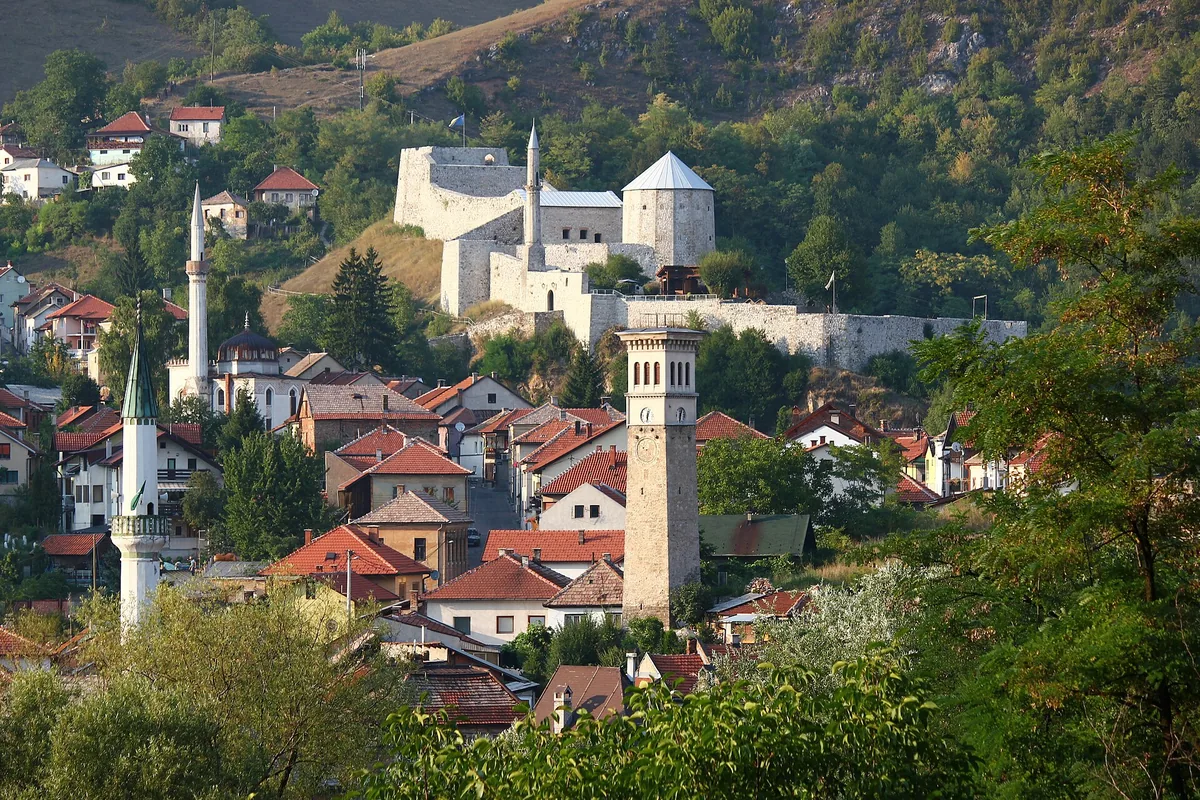
Travnik old town, fortress and clock tower

Town setting or a climb?

Kastel and Trebinje’s old town put defensive architecture within a wider city visit. Jajce and Travnik place the fortress above the streets below. At Blagaj, Stjepan grad and the lower Buna spring are separate approaches. Match the place to the day you want before adding more monuments.

Srebrenik · a fortress outing from the Tuzla area

Srebrenik’s medieval fortress gives a Tuzla-area stay a different historical focus from a city walk. The municipality’s historical account traces its first recorded mention to a charter issued beneath Srebrenik in 1333. Make the fortress the purpose of the outing, with local advice on the entrance, approach and return before travelling. The Tuzla guide helps keep the city part of the stay separate.

Jajce – Above the historic town

Jajce’s fortress gives a view over the town from its elevated position. The climb is part of the visit, not just the backdrop to it. Put the fortress with the historic streets, then keep the waterfall or Pliva lakes for another part of the day. Current admission and approach conditions still belong with the chosen date.
Travnik – Stari Grad over Hendek

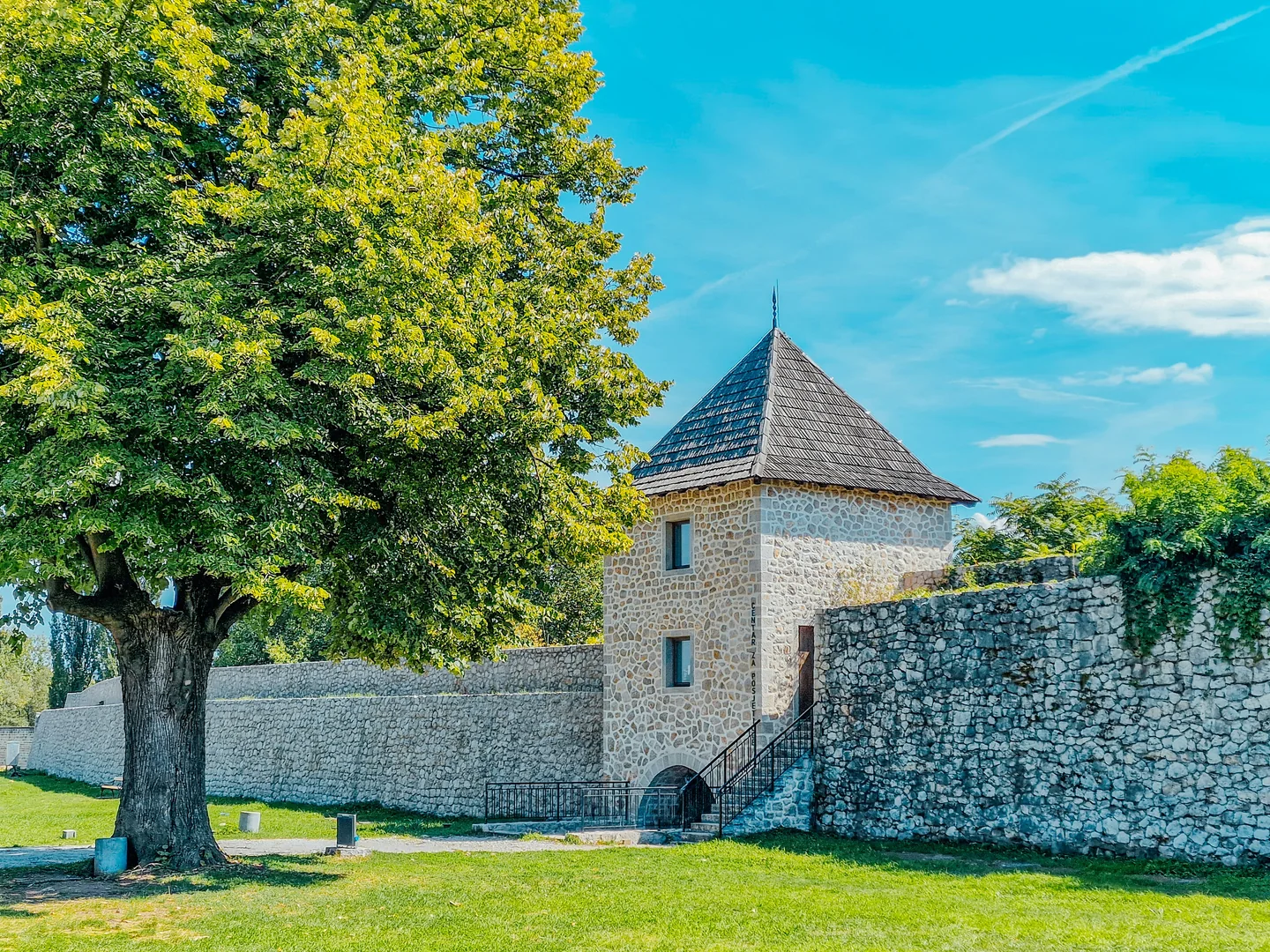
Travnik’s Stari Grad stands above the Hendek stream, with medieval, Ottoman and Austro-Hungarian layers. It can anchor a town day before time in the streets below. The municipality publishes seasonal visitor hours: its October–March schedule specifies weekdays, so a winter weekend needs a direct enquiry.

Ostrožac · another heritage day near Bihać

Ostrožac Castle near Cazin gives a Bihać stay another heritage choice beyond the river and Una National Park. Visit Cazin introduces the fortress. Ask the visitor organisation about the parts open to visitors and the approach for your date, then give the castle an outing of its own. The Krajina guide places it in the wider region.

Počitelj · a fortified settlement above the Neretva

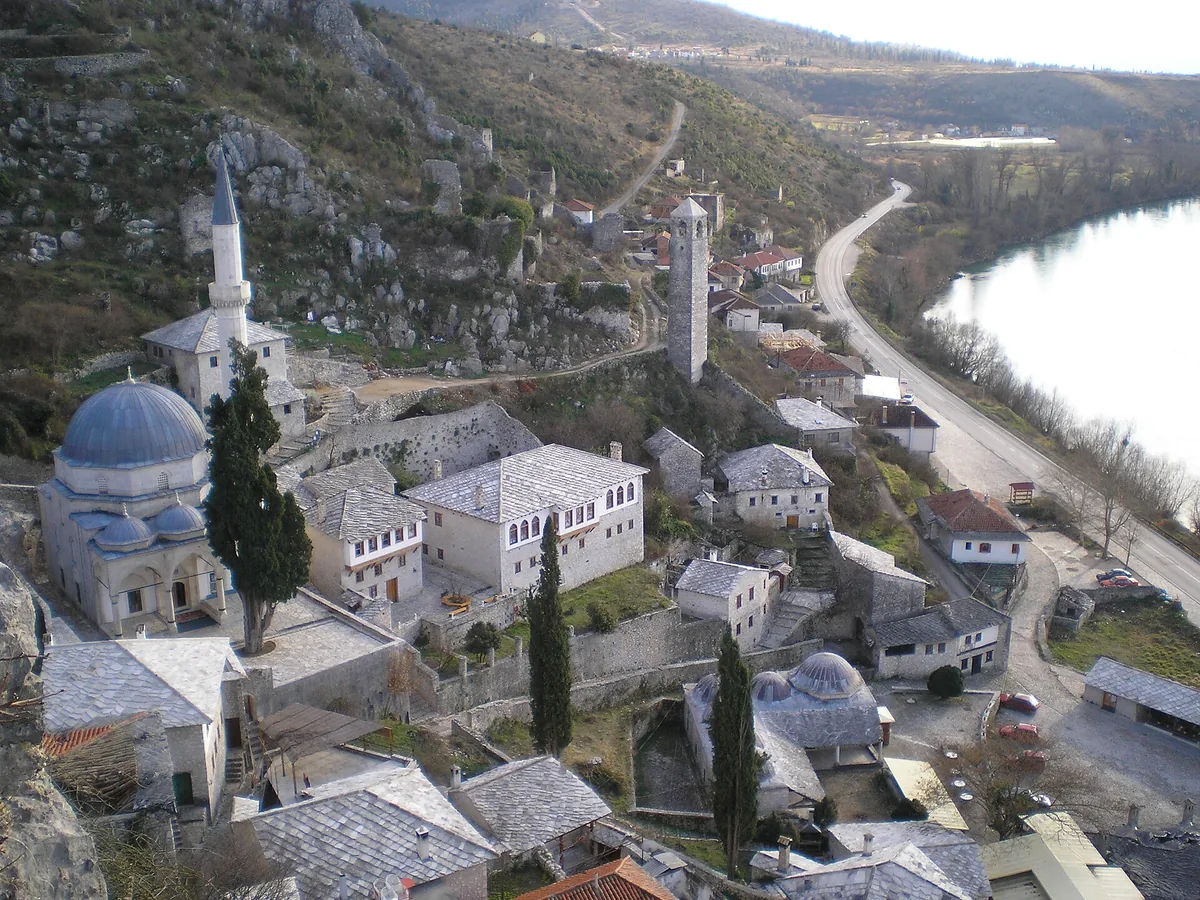
South of Mostar, Počitelj combines medieval fortifications with Ottoman public buildings. The town’s lanes and buildings give the visit a subject beyond the view. Its UNESCO Tentative List entry is separate from World Heritage inscription. A Mostar base can place Počitelj within a Herzegovina stay; the Ottoman heritage guide helps compare it with Blagaj. For the upper fortifications, discuss the particular approach and entrance locally.

The stone settlement of Počitelj above the Neretva
The stone settlement of Počitelj above the Neretva Photo: Mediha

Banja Luka – Kastel beside the Vrbas

Kastel puts the fortress within Banja Luka’s historic core beside the Vrbas. It suits a city day that continues towards Gospodska street and the cultural buildings around it. Give the walls and river setting their own time; access to a particular enclosure or event space needs separate information.

Kastel fortress, Banja Luka
Kastel fortress, Banja Luka Photo: Đorđe Pandurević

Blagaj – Stjepan grad above the spring

Stjepan grad adds a medieval stronghold above Blagaj. The tekija and Buna spring below are a different visit, with a separate approach. Make the upper fortress the purpose of the outing only after local advice on the actual route and return; reaching the spring does not establish access to the heights.

Trebinje – Streets within a fortified town

Trebinje’s Ottoman-period old town developed beside the Trebišnjica with walls, towers and a ditch. Here the visit is a settlement: streets, built heritage and the river. The Museum of Herzegovina can add context, with its own opening and interior arrangements.

Visiting walls and ruins

Respect barriers and leave walls unclimbed, even when a photograph looks possible. For the higher sites, discuss the actual entrance, gradients and return before arranging a pickup. Landmines and unexploded ordnance remain a risk in rural areas. Do not leave roads and paved areas without an experienced guide, and do not take shortcuts through neglected land or abandoned structures. Route markings alone do not establish mine clearance.

The current opening, visitor areas and assistance need the selected site’s own information. A view of the walls from town is a different visit from reaching the upper fortress or entering an enclosure. Keep that distinction when planning for limited walking or particular access needs.

The visit and its base

With a few days, one region leaves more time at each place than a journey through the whole shortlist. The rural-stay guide helps compare a night near Travnik or Jajce with a city base; the lake guide gives Jajce’s surrounding landscape its own part of the trip.

For interpretation, prepare an experience request with the fortress or period that interests you. A hire car can suit a regional route; include your planned stops in a car-hire request. A private-transfer request needs the actual entrance, walking portion and return address.

For exposed stone sites, cooler parts of a hot day can make the visit more comfortable. In winter, fit the outing to daylight and published opening. Wet stone and steps need footwear with grip; barriers and local directions still govern the route. Check the entrance charge, accepted payment and last-entry time before setting out; carry some KM cash without assuming every gate accepts cards. For late-light photographs, leave time to return before closing or darkness.