
Skip to content
Plan my trip

Six days of Second World War history

Jablanica tells the story of wounded people and a river crossing; Tjentište places the Battle of Sutjeska in its landscape; Jajce holds the record of a political assembly; Mrakovica brings monument, names and museum together. This six-day route starts in Sarajevo and finishes in Banja Luka, with time between the subjects.

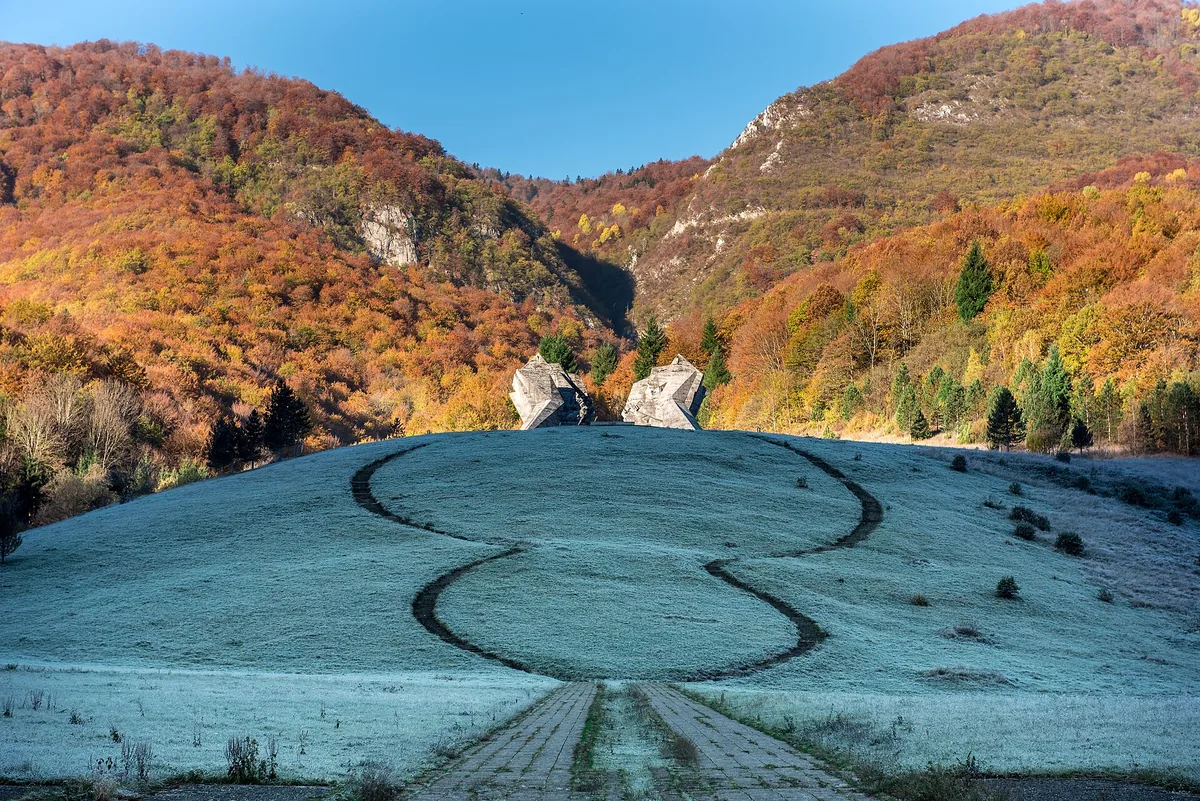
The Battle of Sutjeska memorial at Tjentište

Route at a glance

  1. Jablanica
  2. Tjentište
  3. Sarajevo
  4. Jajce
  5. Kozara

Logistics at a glance

Six days, from Sarajevo to a Banja Luka finish.

Five route nights: Mostar, the Tjentište area, Sarajevo, Jajce and Banja Luka. Arrival or a later Sarajevo return needs extra nights.

Jablanica, Sutjeska, Jajce and Mrakovica tell different parts of Second World War history. A three-day version follows one section rather than rushing all four.

The route and the five overnight stays

Travel through Sarajevo → Jablanica → Mostar → Tjentište → Sarajevo → Jajce → Banja Luka, with Mrakovica as the final outing. The five route nights are Mostar, the Tjentište area, Sarajevo, Jajce and Banja Luka. An arrival night and any return to Sarajevo after day six are additional.

For three days, take the Neretva–Sutjeska section or the Jajce–Banja Luka–Kozara section. Each has a coherent historical focus. Following the whole sequence in a shorter stay would give the road journeys priority over the visits.

Day 1 – Jablanica’s museum, then Mostar

Begin at the Museum of the Battle for the Wounded on the Neretva. Interpretation helps explain the 1943 battle before you look at the bridge remains. Their later history matters: the bridge was rebuilt after its wartime destruction and demolished again in 1968 for the film. The present remains are not simply an untouched scene from 1943.

The museum offers interpretation of the exhibits or the wider memorial complex as different guided services. Its visitor information asks for prior notice. For access needs, discuss the spaces you want to visit: the museum says some exhibitions and toilets are not fully adapted for wheelchair users.

Continue to Mostar for the first night. The Partisan Memorial Cemetery is a listed national monument, but its current condition and visiting approach need a separate local assessment. Include it when an appropriate visit can be arranged; otherwise spend the evening in the old town and keep the cemetery for another occasion.
Days 2–3 – Tjentište and the Sarajevo night

Day two is the move to the Tjentište side of Sutjeska. A nearby overnight stay puts the main memorial visit on the following morning, rather than at the end of a substantial road journey. A first look on arrival depends on daylight and the actual approach.

On day three, give the 1943 Battle of Sutjeska memorial its own morning. The outdoor monument and the frescoes in the memorial interior offer different encounters with remembrance. Interior opening and interpretation need the park’s agreement. Return to Sarajevo afterwards for the third night; Perućica, Maglić and the lakes belong to a separate park visit.

Days 4–5 – Documents in Jajce, then Banja Luka

The Museum of the Second Session of AVNOJ, the Anti-Fascist Council for the National Liberation of Yugoslavia, is day four’s main visit. In 1943, the assembly adopted a decision to organise Yugoslavia on a federal basis. The reconstructed meeting room and original documents shift the journey from battle sites to the political plans for post-war Yugoslavia.

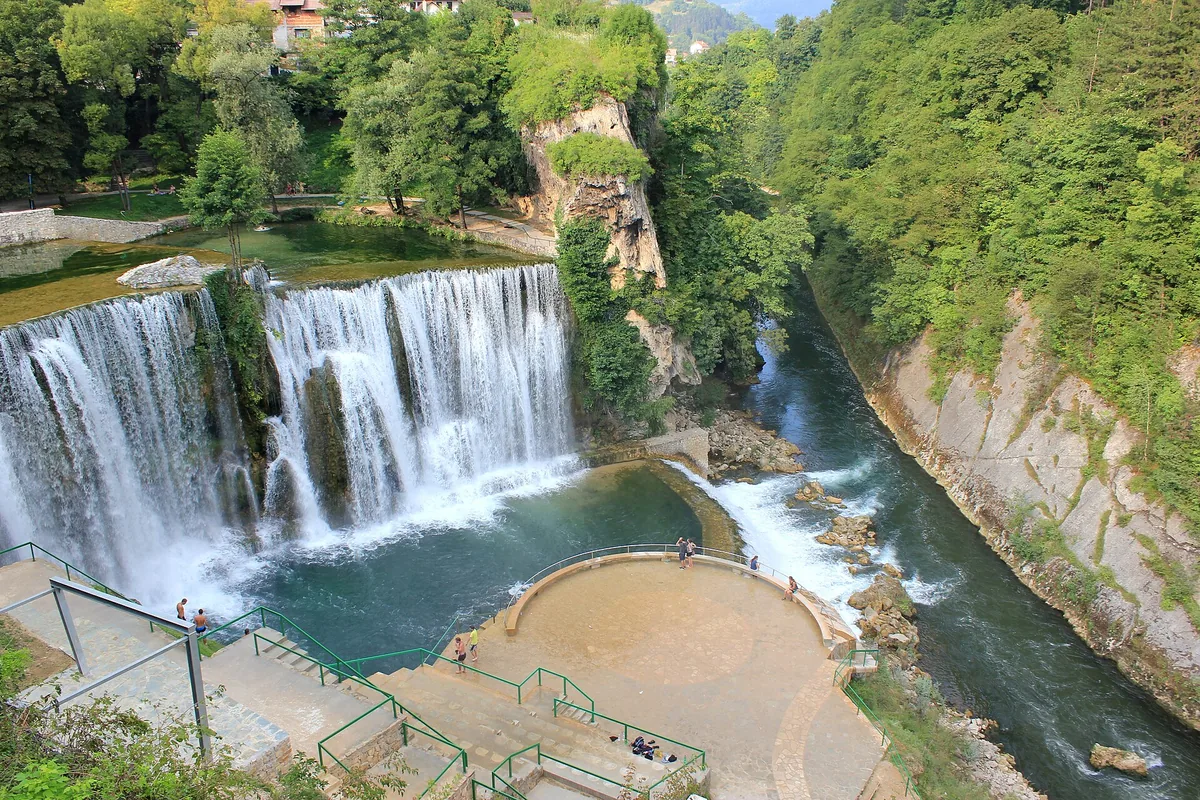
The museum publishes Bosnian- and English-language curator-led interpretation for groups, with at least three days’ notice. Arrange that museum session before fixing the day around it. Stay in Jajce; on day five, the town, waterfall or Pliva mills and lakes can provide a change of subject before the move to Banja Luka.

Pliva Waterfall in Jajce
Pliva Waterfall in Jajce Photo: Julian Nyča

Day 6 – Mrakovica and the Banja Luka finish

At Mrakovica on Kozara, read the memorial wall and museum alongside the monument. The park dates the monument and wall to 1972 and the museum to 1973. Its woodland circuit is a separate 3.4 km walk around the memorial area; add it after the historical visit if the route suits your party.

Return to Banja Luka, or use a specifically arranged onward journey. A flight connection or the full Sarajevo return needs its own time in the plan. Drvar’s nationally listed Museum “25. Maj” memorial complex is a western extension requiring another day and overnight stay; museum and Tito’s Cave access remain separate questions.

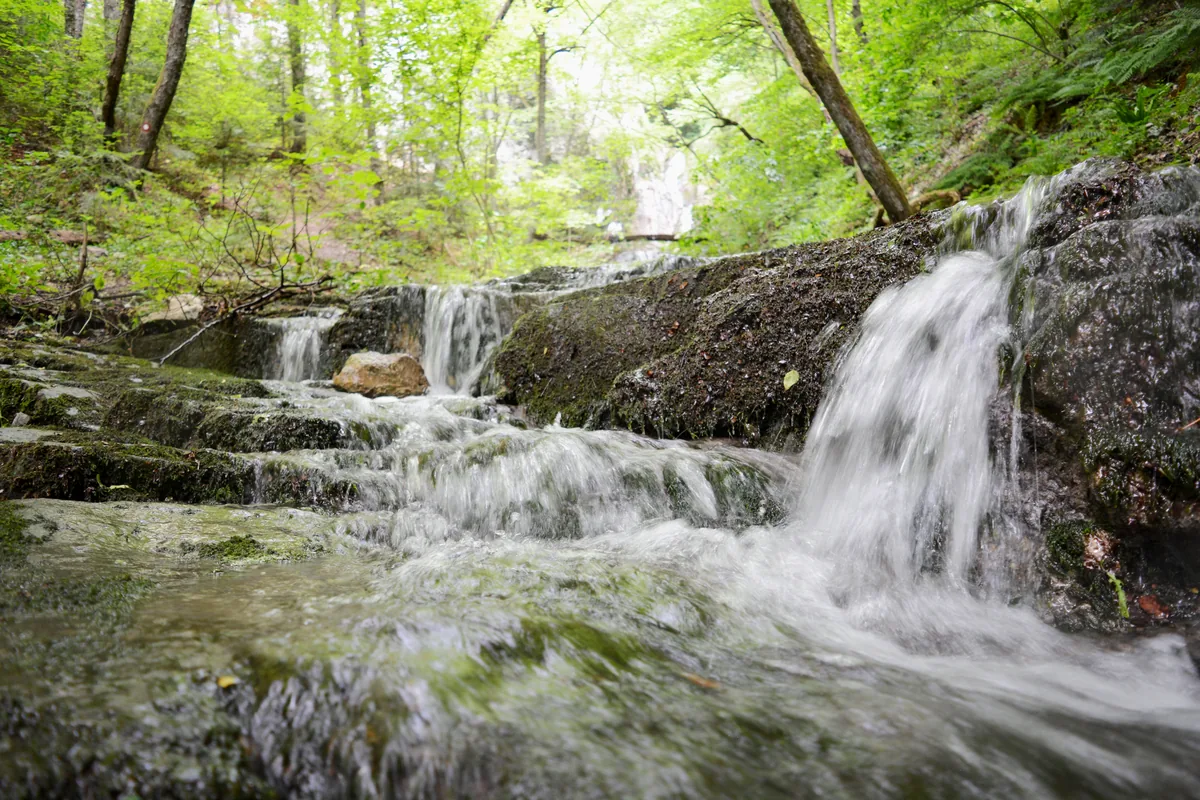
A forest stream and cascades in Kozara National Park
A forest stream and cascades in Kozara National Park Photo: Ljubica K-R

Interpretation and remembrance

When asking for help with a historical journey, name the museums, the language you would like for interpretation and your final departure city. Include the questions you want to explore: civilians, combatants, political decisions or later commemoration. Transport and a curator-led visit are different arrangements, even when they share a day.

Keep the Second World War chronology distinct from Sarajevo’s 1914 assassination and the wars of the 1990s. Leave memorial structures undisturbed, follow local photography instructions and give people who have come to remember space for their own visit. For off-road countryside approaches, use an experienced local guide and marked routes; landmines and unexploded ordnance remain a country-level risk.

For a guided historical journey, prepare an experience request, naming the museums and the interpretation that interests you. Curator-led sessions remain separate arrangements with the museums. For a self-drive route, include the different collection and return cities in a car-hire request, then confirm them in the rental provider’s offer.